Scarlett Johansson Sues AI App Developer for Using Her Likeness in Ad
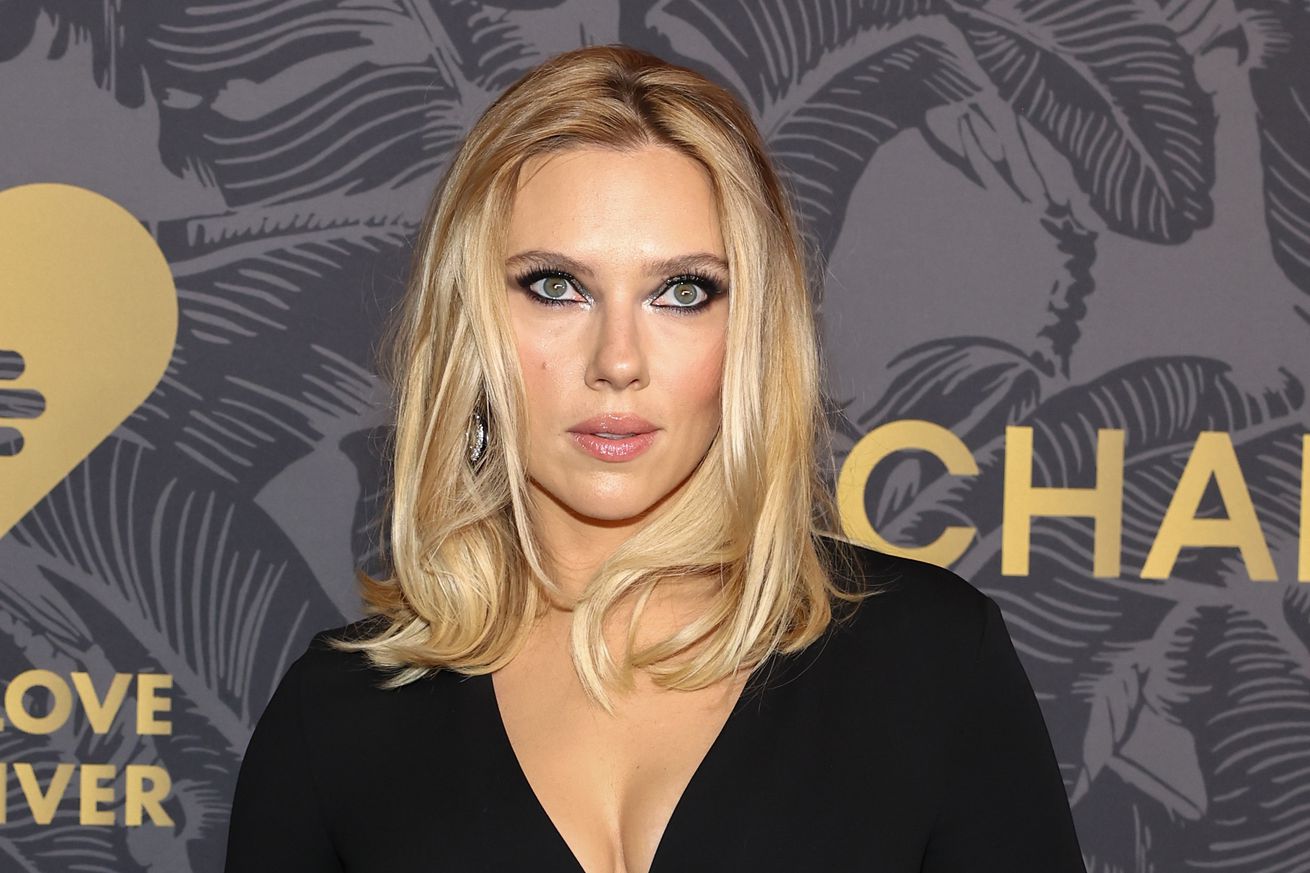
- Scarlett Johansson is taking legal action against an AI app developer for using her name and likeness in an online ad for an AI image editor called Lisa AI: 90s Yearbook & Avatar.
- The 22-second ad featured an AI-generated version of Johansson’s voice and showed her behind the scenes while filming Black Widow.
- Johansson’s voice is heard saying, “What’s up guys? It’s Scarlett and I want you to come with me,” but then transitions to an AI-generated voice stating, “It’s not limited to avatars only. You can also create images with texts and even your AI videos. I think you shouldn’t miss it.”
- Johansson claims that the use of her likeness and voice in the ad is a violation of her rights.
- The lawsuit seeks undisclosed damages and an injunction to prevent further use of Johansson’s likeness without her consent.
- This case highlights the issue of celebrities’ rights and how AI and deepfake technology can be used to create realistic representations without their consent.
Analysis of the Case: Scarlett Johansson Sues AI App Developer
The legal battle between Scarlett Johansson and the AI app developer raises important questions about the ownership and control of celebrities’ likeness in the age of AI. With advancements in technology, it has become easier to create realistic simulations of individuals, which poses potential risks and challenges.
In this case, Johansson argues that the AI-generated representation of her voice and likeness in the ad is infringing on her rights. As a public figure, Johansson has the right to control the use of her image and voice for commercial purposes. By featuring her in an ad without her consent, the AI app developer may have violated her right to privacy and publicity.
Furthermore, the use of AI and deepfake technology in this context raises concerns about the potential for misinformation and deception. If AI-generated content can convincingly imitate a celebrity’s voice and appearance, it becomes difficult for the audience to distinguish between what is real and what is fake.
While some argue that this technology can be used for harmless entertainment purposes, the unauthorized use of celebrities’ likeness opens up the possibility of malicious intent. Celebrities could be falsely associated with products or endorsements, potentially damaging their reputation and causing confusion among consumers.
It is crucial to establish legal frameworks and guidelines to address these challenges.